

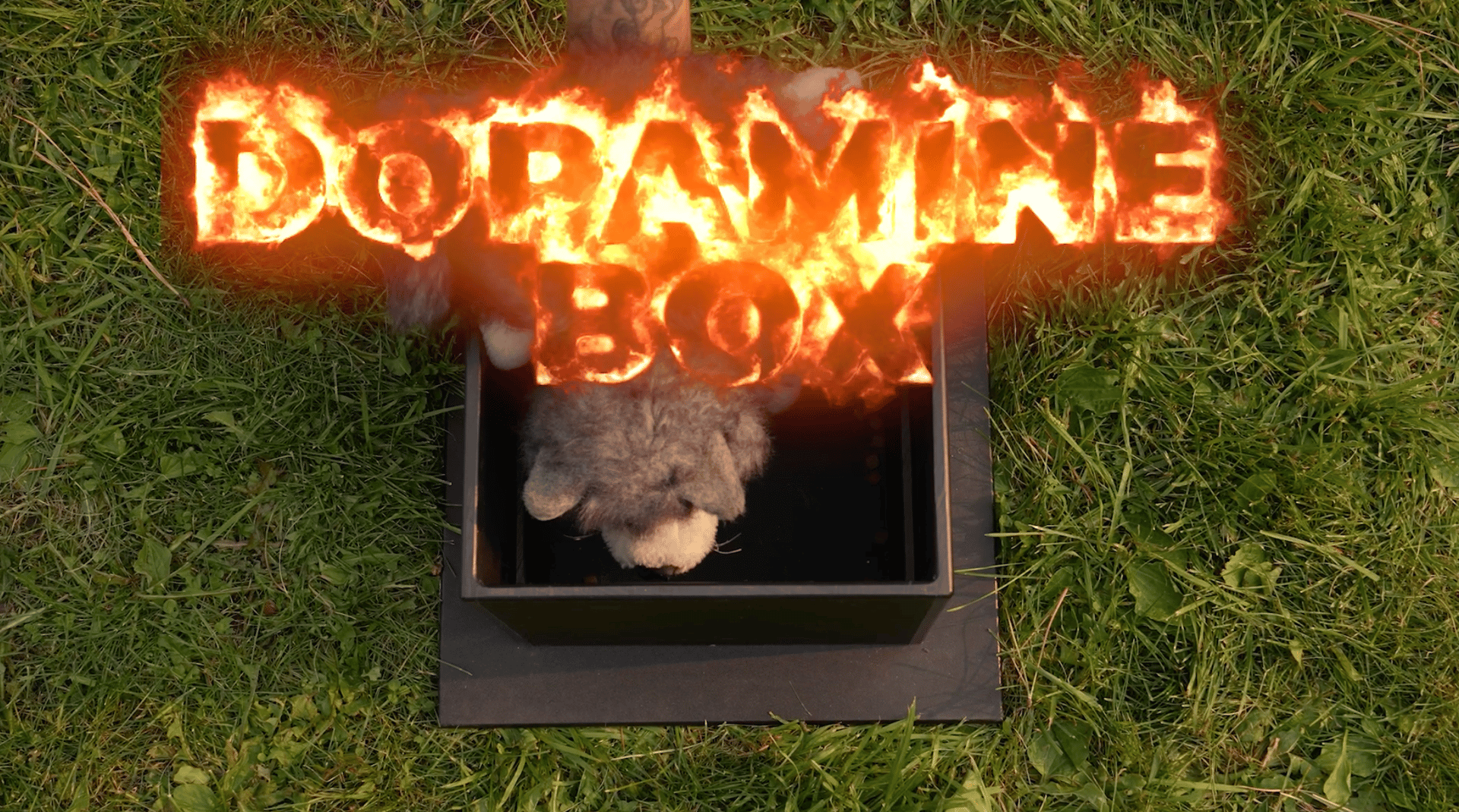
Imagine if your dog could learn to handle stress and solve problems while having a blast hunting for treats. Sounds amazing, right? That’s exactly what the Dopamine Box is all about. This cornerstone training game has an odd name, but trust us—it’s pure gold for building your dog’s drive and focus. In this post, we’ll introduce the Dopamine Box, explain why it’s such a powerful exercise, and give you a peek into how it works. By the end, you’ll see why dogs go crazy for this game and how it can turbocharge your training sessions.
What is the Dopamine Box?
The Dopamine Box is a simple but genius concept: it’s basically a game where your dog uses their nose and brains to find a hidden reward, often in a box or container. Picture a cardboard box with a small scented object (like a metal washer or a bit of kibble) and some treats hidden inside. Your dog learns that when that special scent or object appears, goodies are nearby and it’s time to hunt. Why do we call it the Dopamine Box? Because sniffing and searching activates your dog’s natural seeking system, flooding their brain with dopamine (the feel-good neurotransmitter). It literally gets your dog high on finding the reward! They develop an almost addictive enthusiasm for the game, which is exactly what we want for training.
In practice, the Dopamine Box starts out easy: dog sniffs the box, finds treats, happy day. But as we advance it, we introduce little twists to make it more challenging and exciting (more on that in a second). The beauty is that it channels a dog’s instinct to sniff and hunt — an instinct every dog has, from tiny Chihuahuas to giant Bloodhounds.
Why Dogs (and Trainers) Love It
So, what makes the Dopamine Box such a favorite? Let’s break down the benefits:
- Builds Hunting Drive, Not Just Food Drive: Many dogs will work for food, but the Dopamine Box transforms how they work for food. Instead of passively waiting for a treat, the dog is actively hunting for it. They start to love the act of searching as much as the eating. This means your dog isn’t just food-motivated; they become task-motivated. They’ll work with intensity and focus because they want to find that prize.
- Creates Toughness Under Pressure: Once your dog understands the basic game, we can up the ante by adding slight challenges—like putting the box in a harder-to-reach spot or gently holding the dog back for a moment before releasing them to search. These little pressures teach the dog that when things get a bit harder, the correct response is to push through, not give up. If the first time the box lid is partially closed the dog has to nudge it open to get the treat, they learn: obstacles can be overcome. Over time, they become more resilient and driven, not discouraged, when faced with a challenge.
- Safe Way to Teach Problem-Solving: What’s nice about the Dopamine Box is that it’s a separate game from formal obedience commands. This means your dog can mess up, try different things, and there’s no “wrong” — they just keep searching until they succeed. This is stress-free learning. They’re figuring out how to solve a puzzle (find the treat) in a safe little sandbox. No risk of ruining a command like “sit” or “come” because it’s all its own activity.
- Natural Stress Relief: Sniffing is actually calming for dogs. Ever notice how dogs sniff around when they’re in a new place or a bit unsure? It’s like taking a deep breath for them. The Dopamine Box taps into that. While it hypes them up in a good way (excited to find food), it also lets them blow off steam through their nose. Many owners report their dogs are happily tired and content after a session of this game. It’s like a mental workout that leaves them satisfied.
- Foundation for Scent Work: If you have aspirations for tracking, nosework, or detection training, the Dopamine Box is a perfect intro. It’s teaching your dog the concept of hunting for a specific scent and indicating when they find it (by sticking their head in the box or pawing at it). Even if you don’t plan to go pro in scent sports, it’s a cool party trick and great enrichment for your dog’s daily life.
How It Works (In a Nutshell)
Let’s peek at the basic sequence of the Dopamine Box game to give you an idea:
- The Invitation: You’ll start by dropping a distinctive object (like a metal washer or coin) into the box in front of your dog. This creates a unique sound cue – kind of like a dinner bell – that signals to the dog, “Hey, something’s in the box!”
- The Hunt: You’ve placed a bunch (say 8-10 pieces) of yummy treats in that box. Your dog goes in and happily gobbles up what’s there. Easy win! They learn box = treats, so they start diving in eagerly as soon as you signal.
- The Surprise: Once they’ve eaten what’s in the box, you use a marker word (like “search” or “find it!” or even a click) and then… drop another treat or two into the box while they’re searching. Now the dog thinks, “Oh boy, when I keep searching, more treats magically appear!” This builds persistence—they don’t give up after the first score; they keep sniffing around, expecting more.
- The Big Finish: To end the game, you’ll use a special marker (like “all done!” or a recall cue) to call the dog away from the box, and reward them with a final treat or a bit of play outside the box. This teaches them that leaving the search when told is also rewarding (preventing them from getting obsessed and never wanting to stop).
As the game progresses over days and sessions, you can hide the box in trickier spots, use fewer treats inside so they have to search longer, or add a tiny bit of restraint before releasing them to heighten their drive (“Let me at it! I wanna go find it!”). Each of these adjustments makes the game more challenging and fun for the dog. They transform from casually sniffing to intense, focused hunting.
A well-trained Dopamine Box dog will shove their snout in that box and root around like a truffle pig, tail wagging furiously, undeterred by any lids, covers, or gentle tugs you introduce. They’ve learned that any impediment is just part of the thrill.
Why It’s a Game-Changer
By now you can see the Dopamine Box isn’t just playtime—it’s purpose-driven play. It teaches a dog so many valuable things under the hood: independence in problem-solving, endurance in the face of difficulty, and a burning love for working with you. Dogs often start to view you as the gateway to all this fun. You’re the one who provides the game, who gives the magic “go hunt” signal, who occasionally helps by guiding them or adding excitement. This enhances your bond and makes your dog pay closer attention to you in other training, because they’ve learned you come up with awesome games!
Many owners are astonished at the change in their dog after a few weeks of incorporating Dopamine Box sessions. That distracted or lazy dog? Suddenly they’re more engaged overall. That timid dog? Suddenly more confident in exploring and trying things. It’s like hitting a reset button on their mindset.
If you’ve never tried something like this, it can sound almost too good to be true. But give it a whirl, and you’ll likely see exactly why we include it as a cornerstone of our training system.Excited to see the Dopamine Box in action? In our Ignite Your Training System online course, we dedicate a full section to this game, with video demonstrations from start to finish. You’ll learn how to introduce it step-by-step and troubleshoot as needed. It’s a must-see if you want to unlock your dog’s inner “sniffer superstar.” And as always, if you prefer one-on-one guidance, contact Hodge Canine for a personal session—we’ll show you and your pup how to get that dopamine flowing for better training results!

